compliance
FedRAMP Compliance: What You Need to Know?
FedRAMP is a U.S. government-wide program that delivers a standard approach to the security assessment, authorization, and continuous monitoring of cloud products and services.


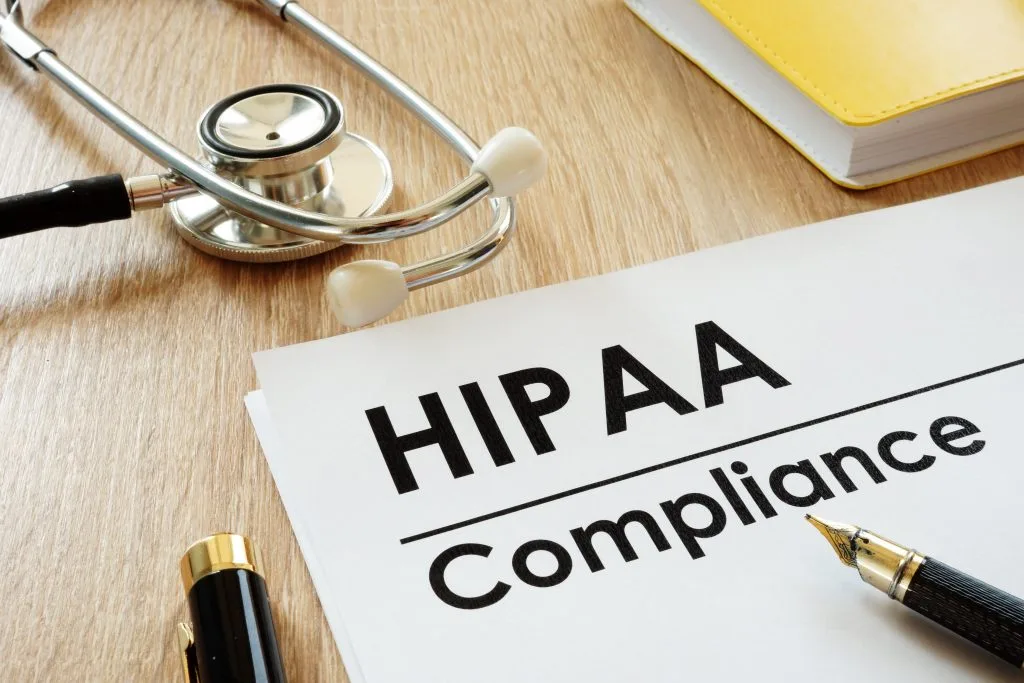
The 1996 Health Insurance Portability and Accountability Act (HIPAA) promotes the security and privacy of employee health information. HIPAA seeks to facilitate efficient and effective electronic transfer of healthcare information between healthcare facilities as well as protect patients’ privacy. The Health and Human Services Department (HHS) was mandated to develop with security standards that they issued in 2003. The resulting health security standards rule gives patients rights over their health information and set standards on who can access it. The act further articulates precautions that all healthcare providers must take to protect and secure electronically collected health information. Agencies, organizations, and individuals classified as covered entities must comply with HIPAA.
Wilson Consulting Group helps businesses assess, determine and implement the ideal data collection and storage safeguards that ensure not only immediate compliance but also guarantee long-term HIPAA compliance.
According to HIPAA, all patient data including payment information is classified as Protected Health Information (PHI). Therefore, organizations should conduct regular HIPAA risk assessments to identify possible compliance gaps and invest in measures that avert future risks and ensure ultimate data security. HHS requires all organizations that transmit, process and/or store patient health information to conduct a HIPAA security risk assessment to determine their compliance with HIPAA’s physical, administrative and technical requirements.
The HIPAA privacy and security rules mandate organizations to train their workforce on security and privacy procedures and policies. The training requirements, every new employee should be trained, and all employees must be retrained whenever a policy or procedure is changed, and periodic refresher training is mandatory. At a minimum, HIPAA compliance training should include; password management, security reminders and regular security updates, procedures for preventing, detecting and reporting malicious software, system log in monitoring and reporting.
Our experienced and knowledgeable health care compliance consultants help healthcare organizations to comprehend and manage their HIPAA responsibilities. Gradual changes to the HIPAA privacy and security requirements require organizations to implement new policies, procedures and training schedules. We help organizations to understand and implement such changes by providing compliance training, policies and procedures that are easy to implement. We also offer breach preparedness tools and advise.
FedRAMP is a U.S. government-wide program that delivers a standard approach to the security assessment, authorization, and continuous monitoring of cloud products and services.
NIST Special Publication (SP) 800-53, Revision 5, Security and Privacy Controls for Information Systems and Organizations, represents a multi-year effort to develop the next generation of security and privacy controls needed to strengthen and support .
The protection of employee and consumer data has become a priority for companies and organizations, especially with the ever-increasing potential for liability due to the use of new technologies. The collection and management of data require a broad range of legal compliance activities. It is essential to prioritize and protect sensitive, confidential, and proprietary information. Data breaches or losses can have a substantial adverse effect on a company’s financials and reputation. This article discusses several privacy laws expected to guide organizations in the protection of their information assets, and the privacy rights of individuals, through compliance.
Stay In The Know With Our Newsletter