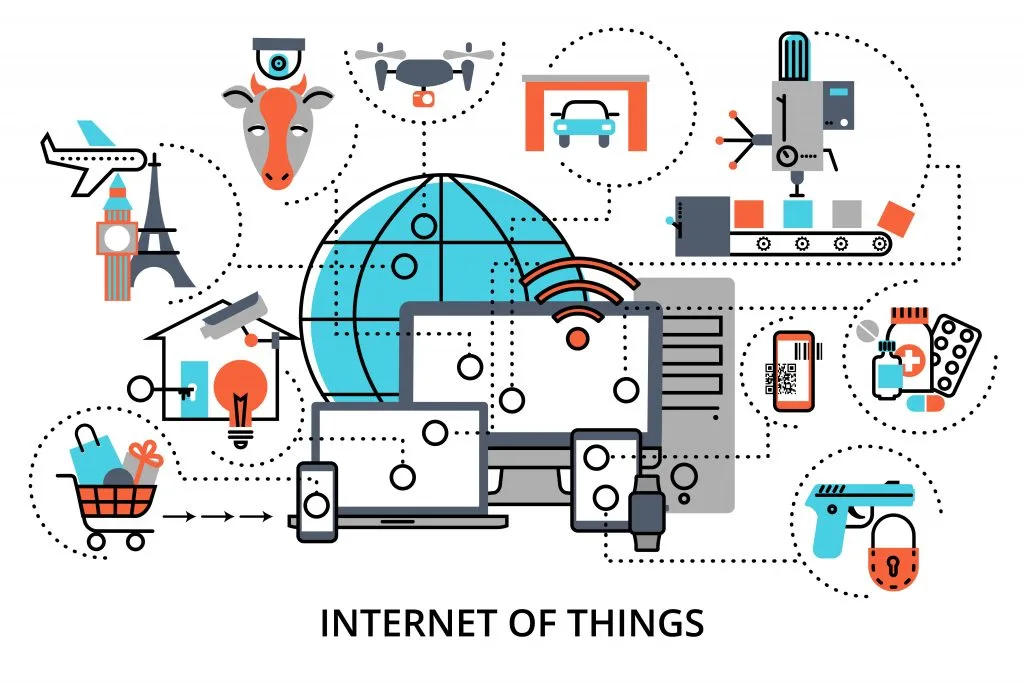
In 2015, experts declared that the fourth industrial revolution had begun in Germany and other countries. The manufacturing industry started developing smart machines to do more complex work and in the years that followed, these smart machines include fitness bracelets connected to mobile applications that give real-time updates on exercise routines, and in smart refrigerators that can communicate if it’s time to order more groceries.
When devices connect to the Internet to share data with each other, this is called an Internet of Things. These smart machines mean to make work easier for individuals with their day to day lives; and by 2020, it is projected that more than half of new businesses will be making use of this technology. In 2019, anything that can be connected, will be connected. What does this pose for this year’s trends?
The opportunities and the threats
The Internet of Things is not a new concept, but it is quickly gaining popularity. Last year’s Forbes Insights survey revealed that 60% of businesses have incorporated new business strategies, thanks to their IoT initiatives. These initiatives are used to collect data, thereby providing maintenance and automatic updates on customer information. Sensors are installed in factories to further understand operations, and provide data that allows for more efficient systems or technology. Using smart devices, companies will be able to understand customer behavior more and improve on their experience.
However, IoT also raises questions of security and privacy. If these devices are able to record routines and preferences, what is left of people’s private lives? As devices connect to the Internet—or even to other devices—information will now spread faster than it did before. Coupling this with the introduction of 5G technology, the assumption is that anybody who owns a smart device will have to say goodbye to their private lives.
For businesses, having nearly every device in the office connected to the Internet will pose problems if these are not updated and secured properly. From the coffee machine to the office security cameras, hackers will now be able to infiltrate any smart device. Not only will company privacy be affected, a cyber-troll may very well connect to the printer and prank employees. Simply put: everything will become more susceptible to cyberattacks.
The security measures
- Choose your devices wisely
The first measure is to consider all corporate devices, big or small, and decide: smart or no. Limiting the number of smart gadgets in the office itself lessens the chances of security breaches.
Keeping the company’s network data encrypted and secure are essentials with or without IoT devices. Once the basics are in place, keeping these smart gadgets constantly updated and secure will save the business a lot of trouble.
- Follow data protection regulations
The GDPR is an example of a data protection regulation that aims to give customers more data privacy. Following rules on data storage and customer consent will help keep the company in good terms with the law.
Formulating company policies on data storage, maintenance, and security will keep them safeguarded from small-time cybercriminals. Developing a contingency plan in case of data breaches or DDoS attacks can save time, should a crisis arise.
As the world becomes more connected, there are some things that you will have to adjust to. Data and privacy are now valuable commodities and protecting your own can save you from a lot of danger.
Talk to us
Wilson Consulting Group is a cybersecurity firm that offers risk management and data compliance services. As discussed earlier, being compliant to GDPR is essential for your company. Our goal is to ensure that you are compliant, secure, and protected through compliance testing and strategy building.